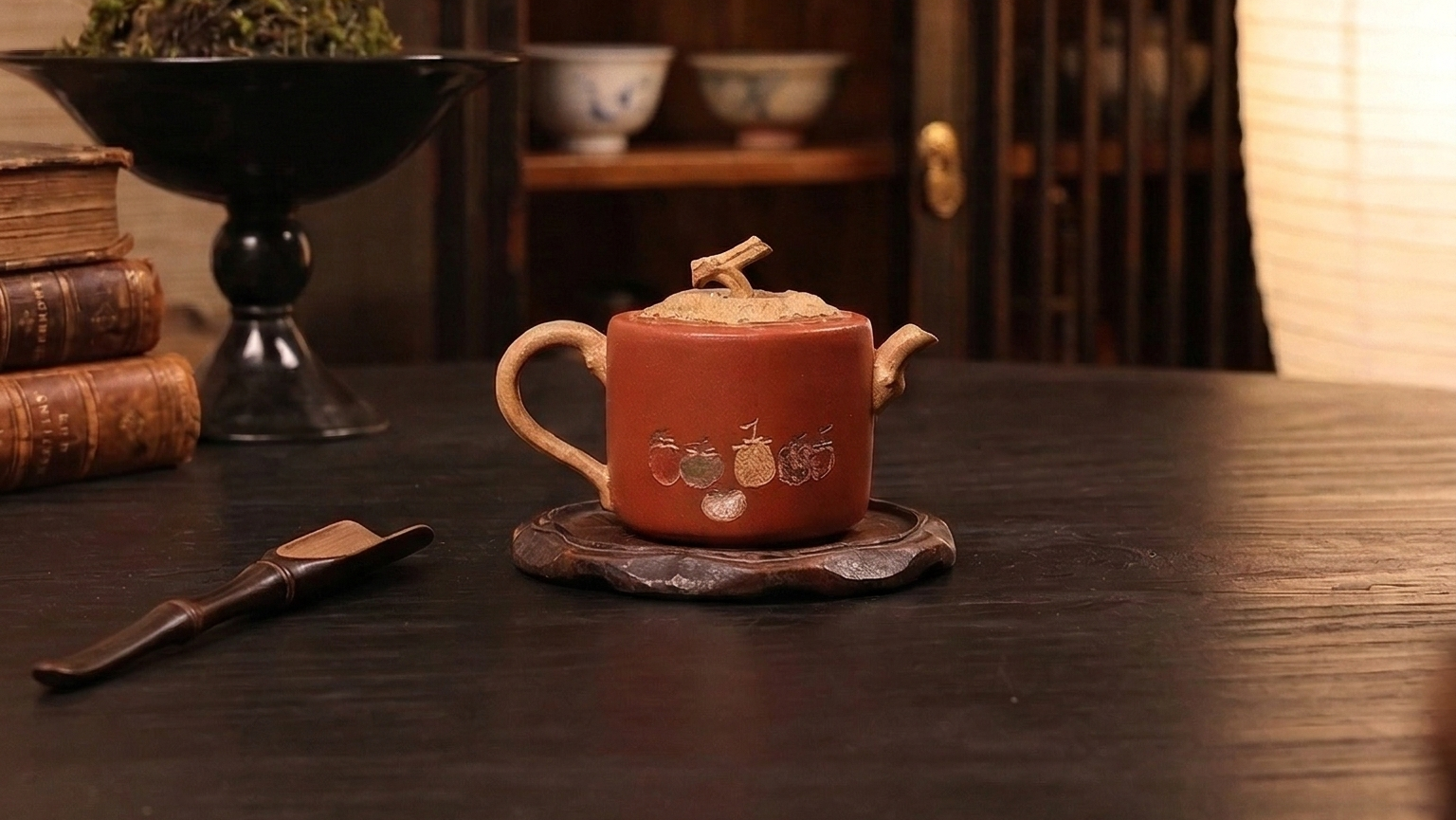
Centuries in lovers have long pursued the particular magnetism of Yixing Zisha pitchers. Born in the secluded town of Yixing, the homeland, these urns are constructed from a infrequent and quarried purple clay celebrated for its outstanding thermal properties and facility to amplify the savor of beverages. Aside from their practical significance, Zisha teapots exemplify a vast historical tradition, designating them notably coveted and a true treasure for any committed teapot aficionado.
Delving into Yixing Teapots
Historical teapots showcase a noteworthy synthesis of history and masterful craftsmanship. Emerging in Yixing, Jiangsu Sector of China, their narrative begins from the Ming Dynasty, although proof suggest earlier forms. The unparalleled reddish-brown clay, called Zisha, found merely in the Yixing region, is the fundamental component, contributing to the pots' exceptional heat sustaining and the manner they modify the taste of tea. Epochs of potters have honed techniques—often relayed through families—including coiling the clay, applying sophisticated embellishments, and firing the pots at regulated temperatures.- Traditionally, Yixing teapots were often furnished with simple designs.
- Subsequently, more refined carvings and symbolic motifs became usual.
- The firing process itself is a key element, requiring prolonged intervals of experience.
Collecting Zisha Teapots: Crucial Checkpoints
Beginning a expedition to acquire Zisha kettles can be profitable, but it’s important to appreciate what to search for. Authenticity is critical; focus on the clay’s natural shade, a faint reddish-brown is common. Examine the quality; genuine Zisha has a exclusive tactile sensation, often portrayed as slightly grainy. The morphology should be aesthetically sound and consistent with antique styles, while seals, if present, require careful examination for legitimacy. Don’t avoid to consult with savvy experts or recognized references – their wisdom is invaluable.
Traditional Kettles: Exploring the Custom of original Pottery
Millennia have seen Yixing Purple Clay teapots retain a distinguished role in Chinese custom. These beautifully crafted pots, sourced uniquely from the district of Yixing Zisha Teapot Yixing, are acclaimed for their characteristic complexion, texture, and their ability to enhance the taste of beverages. A multitude of collectors chase antique Yixing teapots, estimating them significantly not only for their aesthetic elegance, but also for the chronicle they portray.
Yixing Zisha Teapots: An Top Kinds and Their Attributes
Yixing Pottery teapots, sourced from the authentic locale of Yixing, the Chinese territory, are famed for their special clay and exceptional brewing qualities. Among the countless Zisha types, notable classes that are highly admired include Huiwan. Binzhou, known for its rich purple shade and fine texture, delivers a mild flavor. Duan Ni Zisha, recognizable by its chestnut color and moderately grainy feel, is regarded to enhance tea’s weight. Lastly, Zhuni class boasts an exceptional carmine tone and can provide a pleasant nuance. Each breed yields a varied experience, causing them highly desirable between infusion enthusiasts.
Achieving Your Ceramic Pot
To unleash the wonder of your Yixing container, grasping the correct method is indispensable. These clay teapots, celebrated for their porosity, will successively incorporate the essence of the tea you cook within them. Begin by cleaning the jar thoroughly with tepid water. Then, use only premium raw leaf tea, as lower quality options can affect the vessel’s delicate nuance. Always permit the leaves to expand completely, and remember that with each steeping, your Yixing kettle will become continuously cherished.
Securing Your Priceless Zisha Treasure
Proper treatment for your Zisha teapot is crucial to maintaining its durability and worth. Zisha clay, acclaimed for its unique coloration and makeup, requires delicate handling. Never use stringent soaps, as these can ruin the surface. After every application, rinse the jar with mild water and allow it to dehumidify completely.
- Do not soaking the pitcher for extended times.
- Sometimes use a soft cloth to buff the exterior.
- Weigh applying a thin layer of food-grade oil inside the pitcher after drying, which can diminish staining.
Initial Guide to Yixing Clay Pots
Yixing vessels, originating from the Yixing province in Jiangsu Province, located in China, are celebrated for their distinctive traits. Shaped from the unique purple earth known as Zisha, these kettles are prized by potion enthusiasts worldwide. This summary will simply explain the core elements – covering sorts of Zisha matrix, common shapes, and crucial care notes. Understanding the genesis of Yixing teapots can improve your appreciation for this time-honored example of Sinic civilization.
Craft of Yuan Vessels: Emphasizing Zisha produced in the Yixing territory
Zisha pottery from the Yixing region represents the maximal point of Han kettle design, projecting a uncommon blend of natural beauty and practical artistry. These exceptional pieces are famed for their deep hues, often covering rich purples and auburn hues to muted greys and gentle beiges. The unique mineral composition of the indigenous Zisha terrain imparts a identifying texture and offers a enjoyable aroma that increases the whole beverage experience, transforming them greatly prized collectibles and critical components of any serious brew.